Construction Noise Monitoring Services

Noise complaints can stall a project faster than almost any technical issue. Our construction noise monitoring program places Class 1 sound level meters at the property line, continuously logging decibel levels against permit conditions.

By pairing real-time alerts with crystal-clear reporting, our noise monitoring services extend to demolition noise control plans when teardown work raises community concerns. Every dataset comes from an independent source your stakeholders can trust.
Underwater Noise Monitoring

SSI also offers specialized underwater noise monitoring services designed to include:

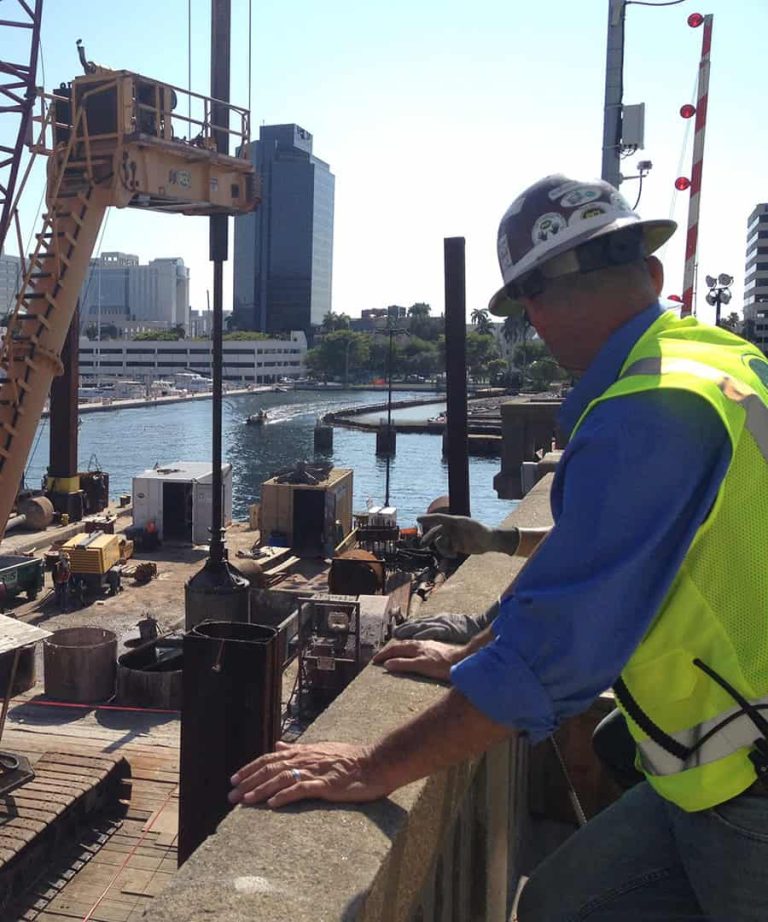
Seismic Surveys engineer monitoring vibration and noise at waterfront construction project
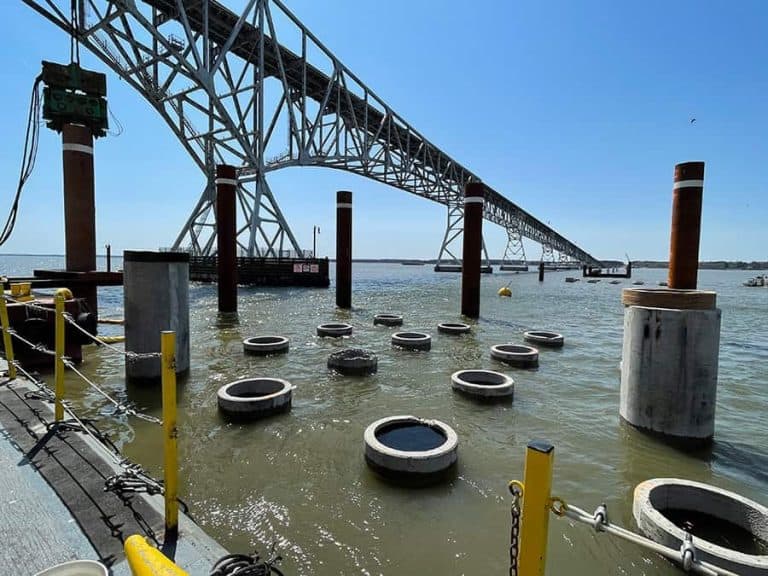
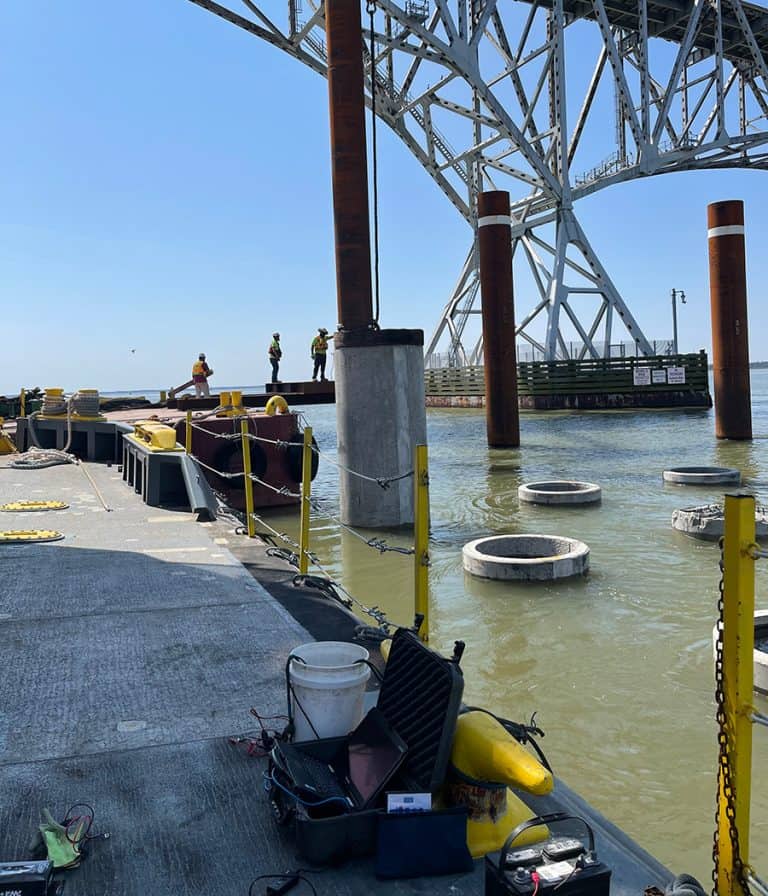
Environmental noise monitoring equipment deployed on a barge for a major bridge construction project over water.
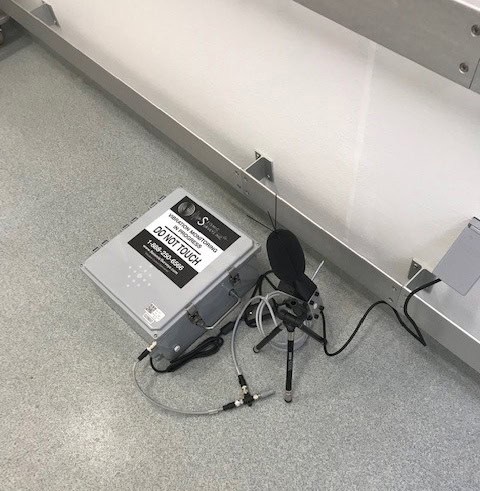
Noise and vibration monitoring equipment with a sound level microphone setup on an indoor floor
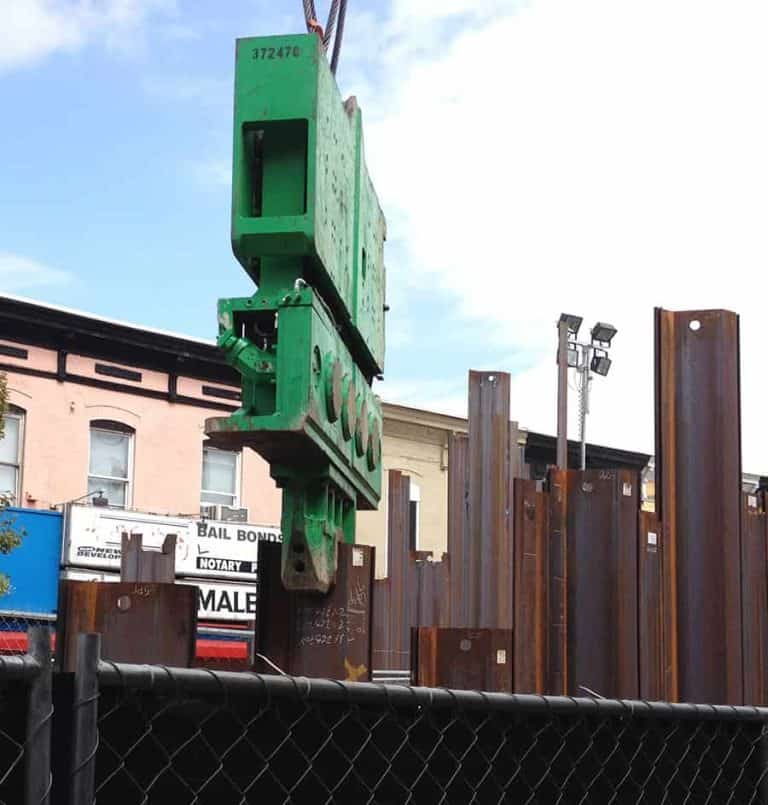
Construction noise monitoring during sheet pile driving

Sound vs. Noise

Acoustic safety standards define sound as what we hear. Noise is an unwanted sound. The difference between noise and sound is subjective. For example, rock music can be a pleasing sound to one listener and an annoying noise to another. In either case, if the sound is loud and exposure is long and often enough, it can be hazardous to a person’s hearing.

Vibrating objects produce sound that reaches the listener’s ears as waves in the air or other media. When an object vibrates, it causes slight changes in air pressure. These air pressure changes travel as waves through the air and produce sound, making proactive noise and vibration monitoring essential.

Why is Noise Monitoring Important?

The United States regulates occupational noise exposure through the Occupational Safety and Health Administration (Part 1910.95 – Occupational Noise Exposure), which says, “When information indicates that any employee’s exposure may equal or exceed an 8-hour time-weighted average of 85 decibels, the employer shall develop and implement a monitoring program.”

State and local ordinances or regulations limit noise levels transmitted to adjacent properties and exposures to nuisance levels that are well below safe exposure standards for hearing protection. Implementing environmental noise monitoring is critical, as nighttime limits are often significantly lower than daytime limits.

Occupational exposure limits and nuisance/compliance limits are typically in measurement units of A-weighted decibels (dB(A)) that measure noise levels in a frequency range that mimics the human ear (about 20-20,000 Hertz (Hz)). Singular impulsive noises, like those from the detonation of explosives, have a higher threshold limit. Our noise monitoring services measure these noises with a specialized microphone on a linear scale, typically in a frequency range of 2 to 200 Hz.

Environmental noise monitoring site for a massive marine bridge infrastructure project over open water
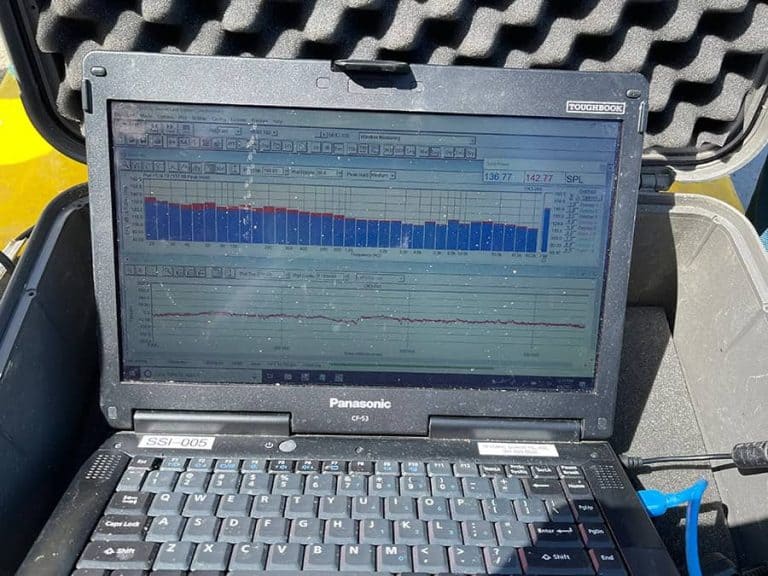
Data analysis dashboard on a rugged laptop showing real-time charts from professional noise monitoring services
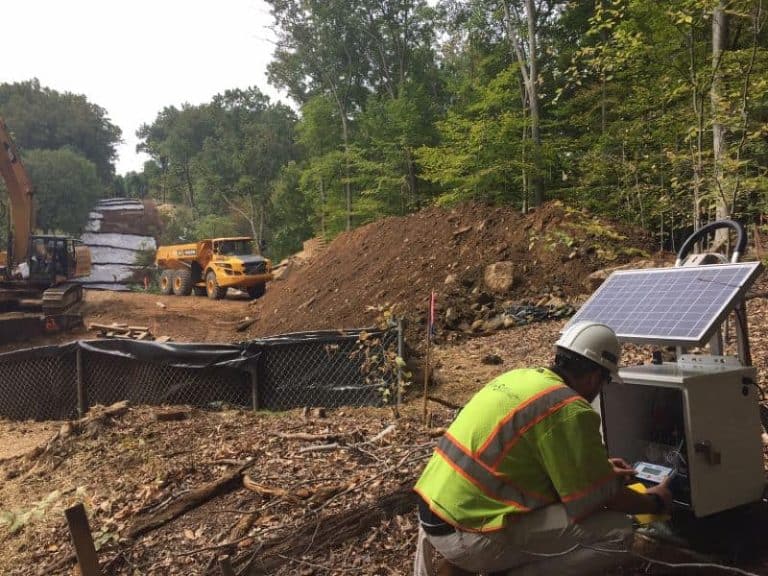
Technician adjusting a solar-powered environmental noise monitoring station at an active mining site
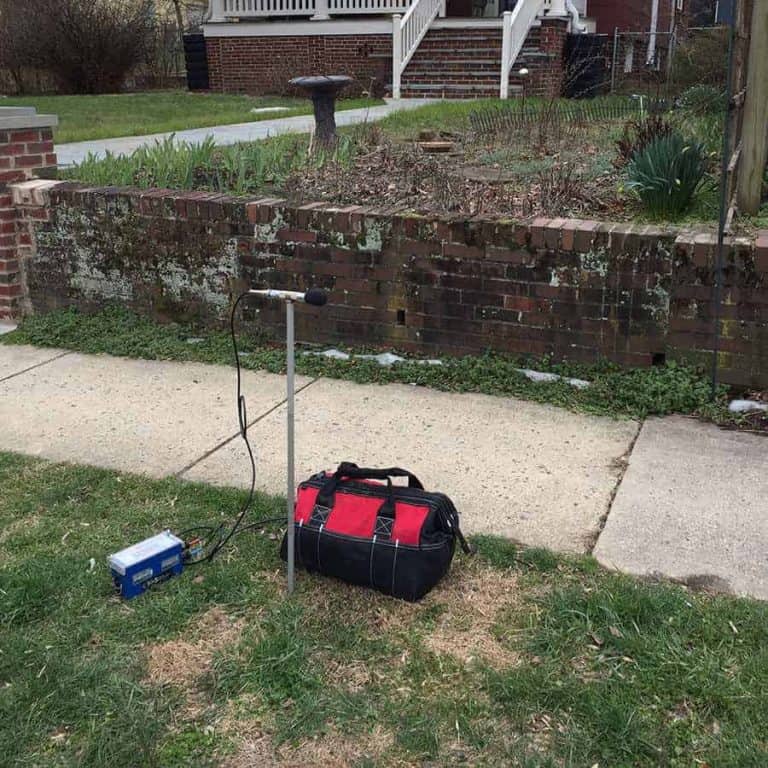
Construction noise monitoring microphone on a residential lawn to track decibel impacts from nearby work

How Does Noise Monitoring Work?

SSI uses A-weighted sound level microphones to measure noise levels transmitted to adjacent exposures from industrial processes or commercial uses. We offer both attended and unattended noise monitoring services. For attended studies, our qualified technical staff will place and monitor noise at designated points of interest and document noise-generating events.

For unattended studies, we will secure our automated noise monitoring equipment at locations of interest to wirelessly collect noise data at predetermined intervals. These systems automatically transmit data to our secure servers for distribution to project stakeholders, and they will send automated alerts (SMS or email) to stakeholders if noise levels exceed a pre-set threshold.

For long-term studies, Seismic Surveys offers web hosting of noise and vibration monitoring data.

Who We Serve

Noise monitoring services are helpful in applications that include construction, mining, infrastructure, and marine projects, among others.

Civil Construction

Vibration and noise monitoring for civil construction projects to document effects transmitted to nearby structures.

Sensitive Structures

Vibration and noise monitoring for demolition, construction, and renovations in and around vibration-sensitive structures.

Marine Construction

Vibration and noise monitoring to document effects on third-party structures, people, and marine life.

Transportation

Traffic vibration monitoring to assess the structural health of bridges and roadways and identify structural changes.

Mining

Vibration and overpressure monitoring for mining to document compliance and protect nearby structures.

Demolition

Vibration and Noise Monitoring capturing and documenting the effects of vibrations generated during demolition processes.

Visit our applications page to learn more about how clients use our services.

Contact Us

Noise and vibration monitoring is essential for maintaining compliance with project standards and minimizing unwarranted claims.

Contact us to set your project on a safe and successful path.